LTO Accredited Driving School 2026: How to Choose the Right One for Your TDC and PDC
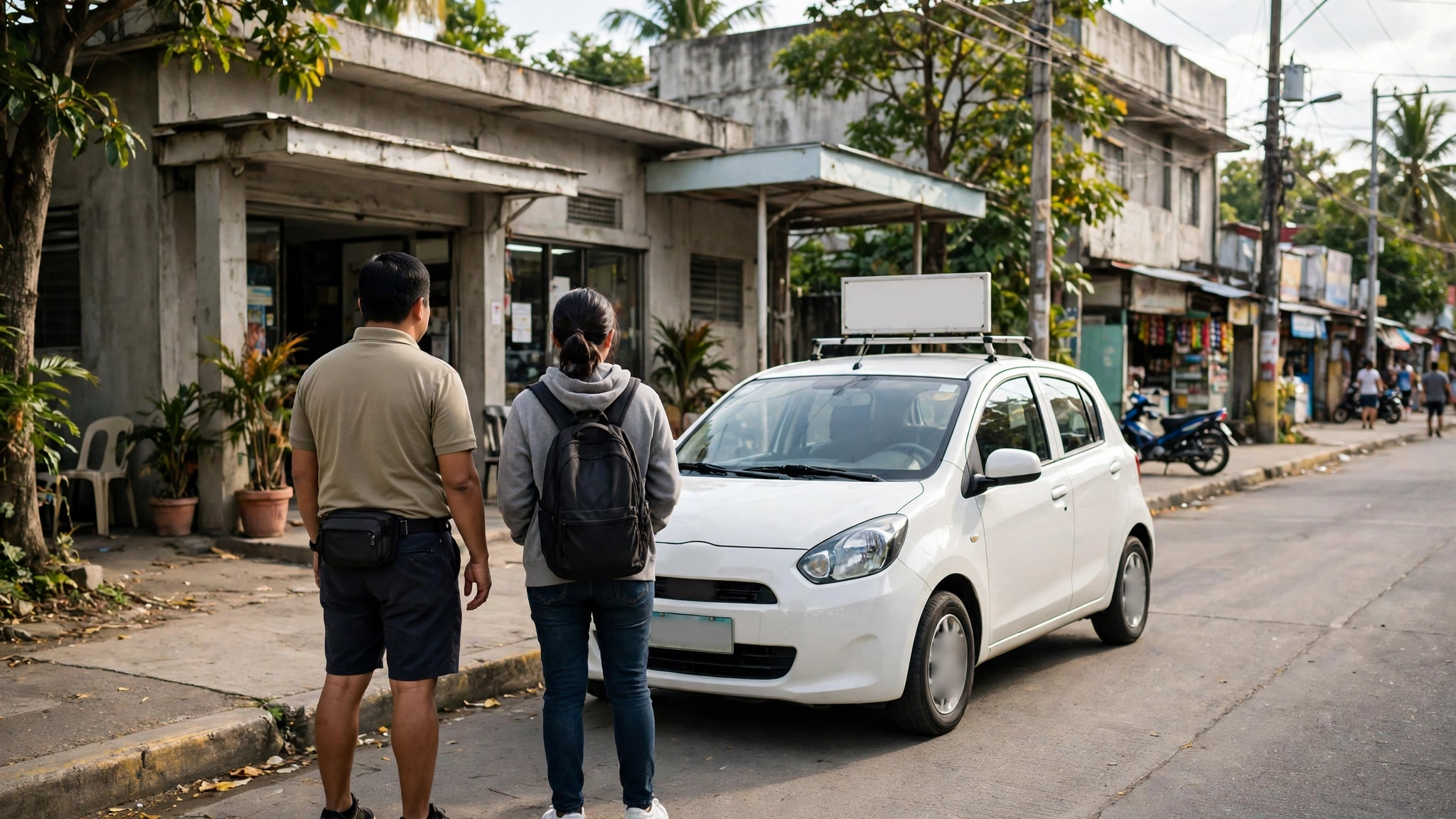
Choosing an LTO accredited driving school is the single most important decision on the way to your first driver’s license — more important than the price, the location, or how fast the school promises to finish. Only a school the Land Transportation Office (LTO) has accredited can issue a Theoretical Driving Course (TDC) or Practical Driving Course (PDC) certificate the LTO will accept, and only an accredited school can send that certificate to your LTMS account electronically. Enroll in the wrong school and you lose your money and still have no valid certificate. This guide explains what accreditation means, what a legitimate school must give you, what you should pay, and how to check a school first.
What an LTO accredited driving school is — and what it is not
An LTO accredited driving school is a private driving school the LTO has checked and licensed to teach the mandatory driving courses. Accreditation covers the classrooms, vehicles, instructors, and records, under Memorandum Circular JMT-2023-2390 — the Omnibus Guidelines on the Accreditation, Supervision, and Control of Driving Institutions, and the Standardization of Driver and Conductor’s Education. A school that passes may teach the TDC and PDC, issue certificates, and transmit them to the LTO through LTMS.
Accreditation is a minimum standard, not a guarantee of good teaching — and a school can lose it. In April 2026, the LTO revoked the accreditation of 12 Metro Manila driving schools after Show Cause Orders, citing misrepresentation and failure to meet required standards. An accredited school is also not an LTO office: it cannot issue a license or guarantee you pass the LTO exams. Do not confuse private schools with the LTO’s own Driver Education Centers (DECs), which offer the TDC for free.
Why accreditation matters more than price or location
Every first-time driver must complete the 15-hour TDC before applying for a student permit, and the PDC before applying for a non-professional license. Both certificates only count if they come from an accredited provider.
The reason is the electronic link. Only an LTO accredited driving school can transmit your certificate directly to your LTMS account, and the LTO officer checks your LTMS record — not just the paper in your hand. Guides warn that buying a certificate you did not earn can get your LTMS account flagged or banned. Confirm accreditation first, then compare price and location. You will need your TDC certificate before applying for a student permit — our guide to the LTO student permit requirements explains the documents, fees, and age rules that come next.
The free option: LTO Driver Education Centers (DECs)
If your budget is tight, check the LTO’s own Driver Education Centers before paying a private school. DECs are LTO-run centers in regional and district offices, offering the 15-hour TDC for free with LTO-accredited instructors.
Slots are limited and usually first-come, first-served, so line up early or wait for the next batch. Some regions also run free TDC sessions through mobile units and barangay seminars — ask your local LTO office or barangay hall. A DEC normally covers the theory course only; for the practical course, most students still go to a private accredited school.
What a legitimate school must provide
A real accredited school gives you more than a certificate:
- LTO-accredited instructors holding valid professional licenses with the right restriction codes.
- Roadworthy training vehicles — ask to see the exact car or motorcycle you will train in.
- A proper classroom, or an accredited online platform with structured modules and checkpoint exams — not just a chat group and a PDF.
- The full required hours: 15 hours for the TDC, a minimum of 8 hours for the PDC.
- A final assessment at the end of the course, with a retake if you fail it.
- A certificate showing the school’s name and accreditation number.
- Electronic transmission of your certificate to your LTMS account — ask how to confirm it arrived.
- An official receipt for every payment, plus an enrollment form and lesson schedule.
If a school cannot show you most of these, walk away — there are many accredited schools in every region.
What you should pay: the LTO fee caps
The LTO caps what accredited driving schools may charge for the mandatory courses, set under Memorandum Circular JMT-2023-2390 and effective April 15, 2023. The figures below are the maximums commonly listed by the LTO and news reports — a school may charge less, but not more.
| Course | LTO fee cap | Training hours |
|---|---|---|
| TDC (Theoretical Driving Course) | ₱1,000 | 15 hours |
| PDC — motorcycle | ₱2,500 | 8 hours minimum |
| PDC — light vehicle (car or SUV) | ₱4,000 | 8 hours minimum |
| PDC — heavy vehicle (truck or bus) | ₱8,000 | 8 hours or longer |
The cap covers the course itself. Extras such as a medical exam may be charged separately, but they must be itemized — a vague “processing fee” that pushes the total past the cap is a red flag. Ask for a written, itemized quotation. As a quick check, the TDC plus a light-vehicle PDC should cost no more than ₱5,000 for the courses themselves.
TDC and PDC: what each course covers
You will take two courses on the way to a license, and they do different jobs. The table below is only a summary.
| TDC | PDC | |
|---|---|---|
| Full name | Theoretical Driving Course | Practical Driving Course |
| Hours | 15 hours | 8 hours minimum |
| What you learn | Traffic rules, road signs, defensive driving | Handling, parking, road practice with an instructor |
| Certificate needed for | Student permit application | Non-professional license application |
| Format | Classroom or accredited online | Behind the wheel with an instructor |
| Can you switch schools between courses? | Yes | Yes |
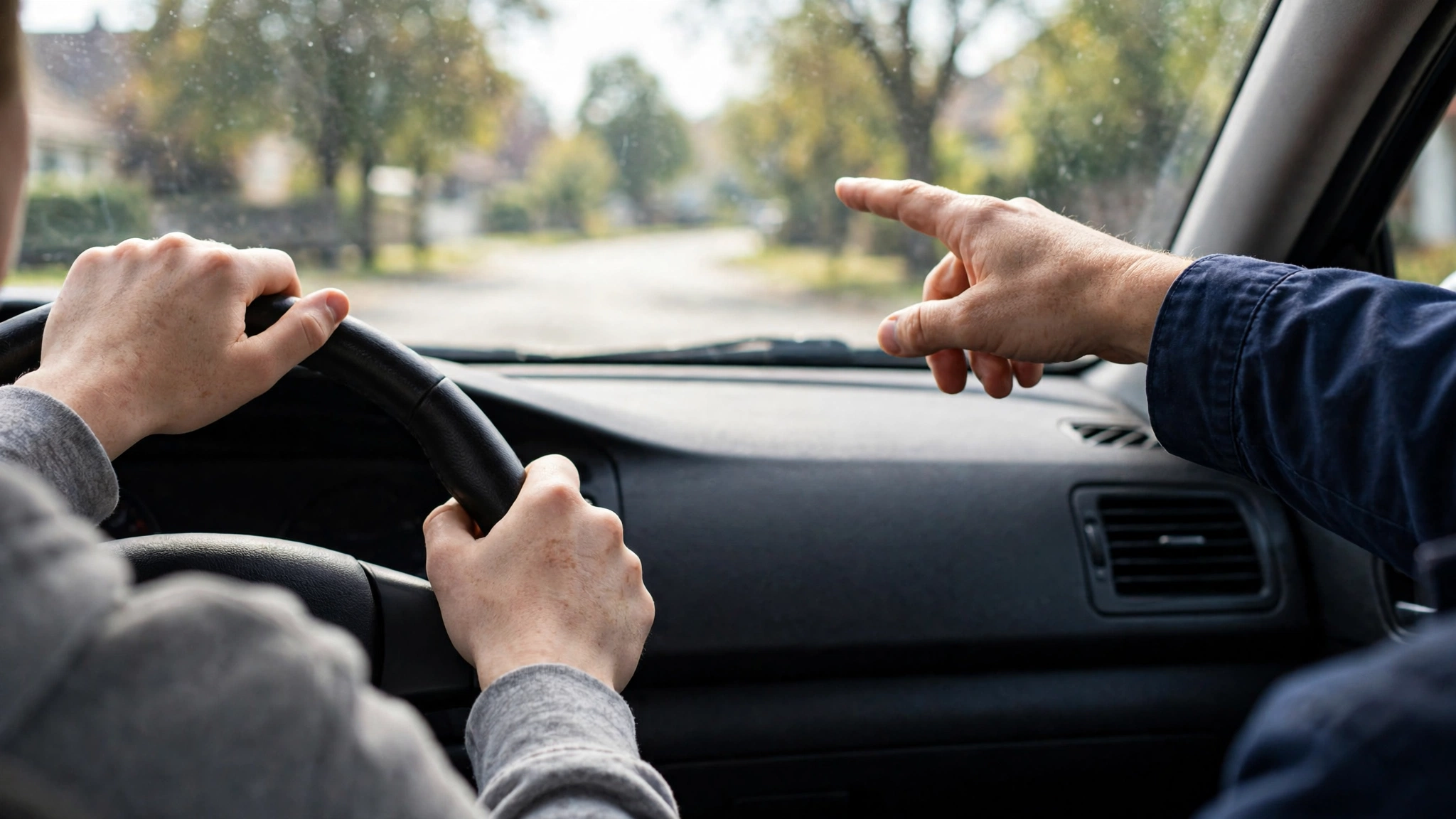
The LTO Theoretical Driving Course is the classroom course every first-time driver must complete before applying for a student permit. The LTO Practical Driving Course is the hands-on course you take after you hold a student permit, and its certificate is what the LTO asks for when you apply for a non-professional license. You do not have to take both at the same school.
How to verify accreditation before you enroll
Do these checks before you pay anything — they take less than an hour.
- Ask to see the school’s LTO accreditation certificate. Note the registered name, accreditation number, and validity dates — the name must match the school’s sign and receipts.
- Check the name against the LTO’s published list of accredited driving schools and instructors on the LTO website. If you cannot find the list online, ask at your nearest LTO office.
- Confirm the school transmits certificates to LTMS. Ask: “Will my certificate be sent electronically to my LTMS account?” If the answer is vague, or the school only offers paper, do not enroll. Sign in to the LTMS Portal to confirm the certificate appears in your account.
- Visit the branch. Look at the classroom, meet an instructor, and inspect the training vehicle you will use — check the tires, brakes, and air conditioning.
- Ask for an itemized written quotation. Compare the course price against the fee caps above, and get what is included — and what costs extra — in writing.
- Read recent reviews on Google and Facebook: what do students say about instructors and whether certificates arrived on time? One or two bad reviews are normal; a pattern of missing certificates is not.
- Pay in stages if you can — a deposit first, the balance after the first sessions. A school demanding the full amount in cash, with no official receipt, before you have seen a classroom is a school to avoid.
If any step fails, stop and choose another school. Before you pay anything, confirm the school is an LTO accredited driving school in good standing, not just a business that claims the title.
Comparing schools: what to check on your visit
Use this checklist when you visit two or three schools and compare them side by side.
| What to compare | Good sign | Warning sign |
|---|---|---|
| Accreditation | Certificate displayed, matches LTO list | No certificate shown |
| Price | At or below the LTO fee cap, itemized in writing | Above the cap, no breakdown |
| Vehicles | Clean, roadworthy, manual and automatic | Bald tires, broken air conditioning |
| Instructors | Named, LTO-accredited, patient | No names given |
| Schedule | Fixed lesson dates | No booking system |
| Reviews | Certificates on time | Complaints about missing certificates |
| Receipts | Official receipt every time | Cash only, no receipt |
The best school is usually the nearest accredited one with honest pricing, decent vehicles, and instructors past students recommend.
Manual or automatic? Choosing the right PDC for your license
One choice shapes your license for years: whether to take your PDC in a manual or an automatic vehicle. Your restriction code follows the transmission you trained in — take the PDC in an automatic and your license will generally restrict you to automatics only. Driving a manual on an automatic-only license is a violation, and guides commonly report a ₱3,000 fine.
If you may ever drive a manual — a family car, a work vehicle, a borrowed car — take your PDC in a manual. It takes longer to learn but keeps every option open. If you will only ever drive automatics, the automatic PDC is easier and valid. Decide before enrolling, since switching midway usually means paying for extra hours. Also match the vehicle type to the code you want: a motorcycle PDC does not qualify you for a car. Once you have your PDC certificate, see our guide to the LTO non-pro license requirements for what comes next.
Red flags: signs of a fake or unaccredited school
Walk away if you see any of these. One red flag is enough to choose another school.
- No accreditation certificate on display, or staff cannot produce one when asked.
- A certificate offered without attending the course — “no need to attend, just pay.”
- A “guaranteed pass” promise for the LTO written or practical exam. No school can guarantee this.
- Prices far above the LTO fee caps, especially a light-vehicle PDC quoted at ₱8,000 or more.
- Cash only, no official receipt, and pressure to pay the full amount immediately.
- No fixed address or classroom — lessons arranged only through chat messages or meetups.
- Offers to “fix” your LTMS record or fast-track your application for an extra fee.
- A name missing from the LTO’s accredited list, or one suspiciously similar to a real school.
- A social media page with borrowed photos and no real address or named instructors.
Fixers work exactly this way: a friendly chat, a low-effort promise, and a certificate the LTO will reject — the LTO revoked 12 Metro Manila schools in April 2026 and a Pampanga school’s accreditation in 2025 after it charged ₱600 to ₱750 for a supposedly free TDC seminar.
What to do if a school overcharges you or issues a fake certificate
If you already paid too much or received a certificate you now doubt, act quickly and keep everything: receipts, the enrollment form, the quotation, the certificate, and screenshots of your chats. Keep the originals and make copies.
Ask the school in writing for a correction or refund, with a short deadline. Then report it to the LTO — at the district or regional office covering it, or through the LTMS portal — with your evidence and the school’s name, address, and accreditation number. The LTO does act: the April 2026 revocations and the Pampanga case both started with public reports.
If you were sold a fake certificate, do not try to use it at the LTO. Tell the LTO office what happened and ask how to proceed — using a fake certificate can put your own LTMS account at risk. If your certificate was never transmitted, ask the school to transmit it or refund you. If the school has closed, take your records to the LTO office and ask whether your training can still be recognized.
Frequently asked questions
Q1: How do I know if a school is a genuine LTO accredited driving school?
A genuine LTO accredited driving school can show its current accreditation certificate with a matching name and number, appears on the LTO’s published list, and can explain exactly how your certificate will reach your LTMS account. If any check fails, choose another school.
Q2: Can I take my TDC and PDC at different schools?
Yes. Take the 15-hour TDC at one accredited provider — for example, a free DEC — and your PDC at another. Each certificate stands on its own, as long as each provider was accredited when you took the course.
Q3: How much should a driving school cost in 2026?
Under the caps commonly listed: TDC at most ₱1,000, motorcycle PDC ₱2,500, light-vehicle PDC ₱4,000, heavy-vehicle PDC ₱8,000. A school may charge less; extras such as a medical exam are separate. Always ask for an itemized quotation.
Q4: Are online TDC courses valid?
Yes, if the provider is LTO-accredited. Some accredited schools offer the 15-hour TDC online with checkpoint exams — check accreditation and confirm LTMS transmission before you pay.
Q5: How long is my TDC certificate valid?
The TDC certificate is commonly reported to be valid for one year from the date it was issued. Apply for your student permit promptly rather than waiting.
Q6: What if my school closes or loses its accreditation after I enroll?
Take your receipts, enrollment form, lesson records, and certificate to your LTO district or regional office. Whether your training still counts depends on when the school lost accreditation and whether your records were already transmitted.
The right LTO accredited driving school does more than hand you a certificate — it teaches you properly, charges you fairly, and sends your records to the LTO without drama. Check accreditation first, compare two or three schools, and keep every receipt until your license is in your hand.