LTO Vanity Plate 2026: How to Get a Special Plate, Fees, and Rules
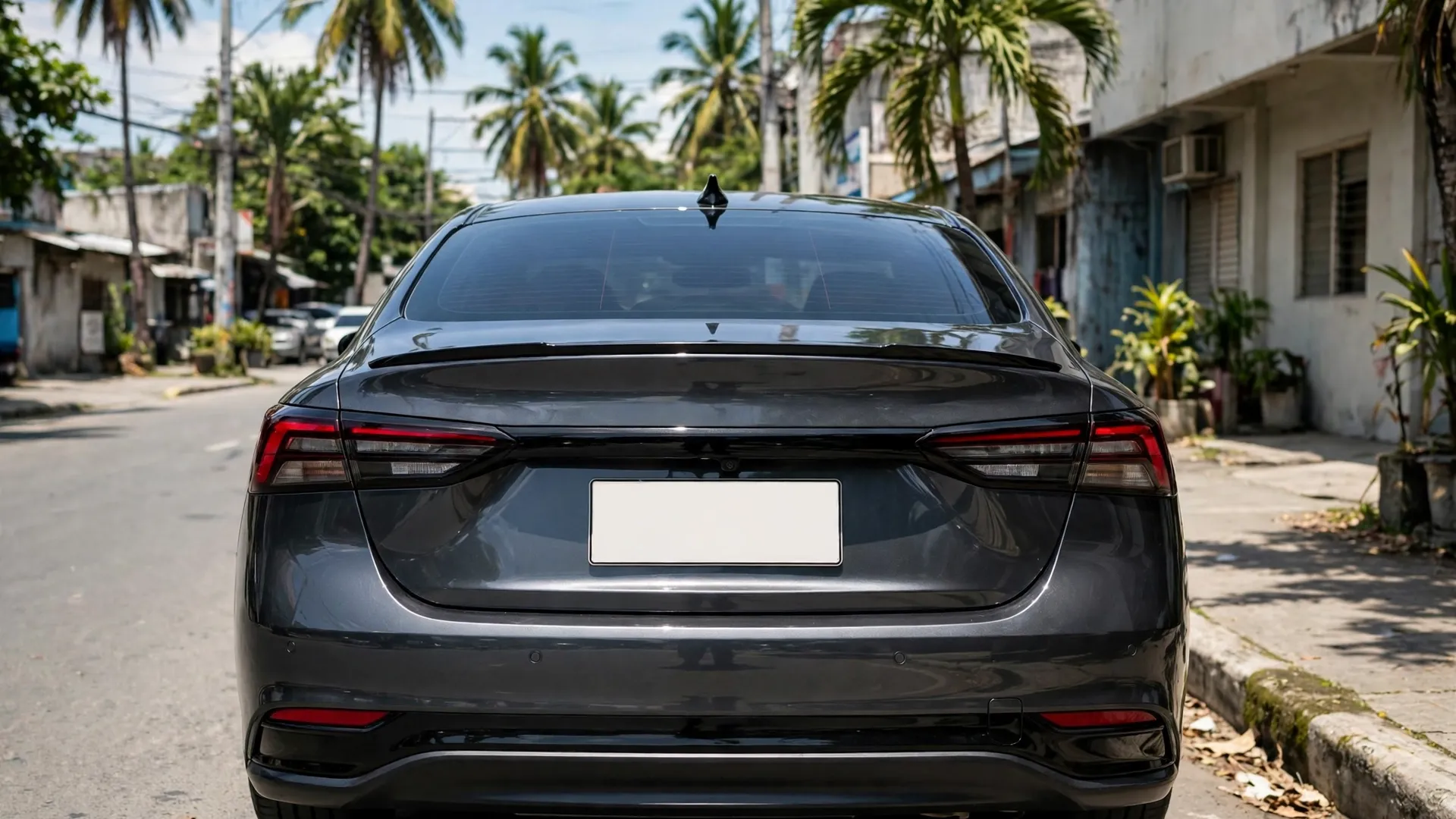
An LTO vanity plate is a special license plate issued by the Land Transportation Office that lets you choose your own plate combination instead of accepting the next number in the standard series. Officially called an Optional Motor Vehicle Special Plate (OMVSP), it is the only legal way in the Philippines to put a personal combination — your initials, a lucky number, or a name — on your car.
This guide covers what a special plate is, who can apply, the requirements and fees, and the step-by-step process for 2026.
Because fees and current availability are reported differently across sources, any figure that could not be confirmed against an official LTO source is flagged so you can confirm it at your branch before you pay.
What Is an LTO Vanity Plate?
A vanity plate is a personalized license plate issued by the LTO under Memorandum Circular No. 2022-2335, which brought special plates back after the program was suspended in 2017 over a production backlog. It is the current basis for applying.
Unlike a standard plate, whose combination is assigned to you, a special plate lets you request a combination of your choice — provided it is unique, not already issued as a series, and not reserved for government vehicles. Once issued, it is treated as a regular motor vehicle plate: issued in pairs, one front and one rear, and permanently assigned to that specific vehicle for its lifetime, according to the LTO’s guidelines on special plates.
A special plate is personalization, not a privilege: no number-coding exemption and no change to your registration duties — you still renew on the normal schedule and still need CTPL insurance and inspection. What you are paying for is the choice of characters, nothing more. It is also not a commemorative plate, a dealer plate, or the temporary plate or conduction sticker a new vehicle uses while its regular plate is being processed — those are covered in the comparison section below.
Who Can Apply and Which Vehicles Qualify
Special plates are available only for private, four-wheeled vehicles: current guides based on MC No. 2022-2335 list cars, SUVs, AUVs, pick-up trucks, commuter vans, and imported vehicles as eligible, including both brand-new and used vehicles.
Excluded are public utility vehicles (PUVs), cargo trucks, service vehicles (rent-a-cars, ambulances, funeral hearses, tourist vehicles, hotel limousines), government and diplomatic vehicles, any vehicle with more than four wheels, and motorcycles.
Vintage cars and used imported vehicles are reported inconsistently across guides — some list them as eligible, others as excluded — so confirm both at your LTO office before applying.
You must be the registered owner of a duly registered vehicle, or an authorized representative with a letter of authorization. Current guides state that special plates are issued only to a Filipino citizen with a duly registered motor vehicle, so a foreigner cannot obtain one as a souvenir. Your vehicle must also be clear of any apprehension or alarm in the LTO system or with the PNP Highway Patrol Group.
One more condition applies to vehicles registered before 20 June 2022: according to guides summarizing the circular, they must not yet have an LTO-certified plate assignment, or must not have had their plate issued or released yet. If your car already has its regular plate, confirm with the office whether you can still apply.
LTO Vanity Plate: Requirements and Fees
Gather the documents below before you go to the LTO. These are the requirements listed in current guides based on MC No. 2022-2335.
| Document | Notes |
|---|---|
| OMVSP application form (LTO Form No. 24) | Duly accomplished by the owner or representative |
| Certified true copy of the OR and CR | Issued by your transacting district office (TDO) |
| Certificate of No Plate Issued | From your TDO, confirming no plate has been issued yet |
| Vehicle sales invoice | Proof of purchase |
| Valid government-issued ID | Owner’s ID, or representative’s ID with an authorization letter |
| Authorization letter | Only if a representative applies for you |
If a representative applies for you, bring both IDs plus the signed authorization letter. Incomplete documents are the most common reason applications are sent back, so check each item before you leave home.
The fee schedule
The fee depends on the combination you choose. The table below shows the pricing scheme in MC No. 2022-2335 as commonly listed in current 2026 guides.
| Combination | Commonly listed fee |
|---|---|
| 3 letters + 3 numbers (except 000), or an unissued 3-number combination | ₱15,000 |
| 3 letters + 2 numbers (except 00) | ₱25,000 |
| 3 letters + 4 numbers (except 0000), or an unissued 4-number combination | ₱35,000 |
That range — ₱15,000 to ₱35,000 — is the figure most current guides quote, and it also appears in current 2026 LTO fee compilations. But the figures conflict: one compilation lists ₱15,000 to ₱250,000, another guide says the cost starts at around ₱35,000, and an older table lists a “Special Edition” plate at ₱10,000. Do not budget on a single number: ask the cashier for the assessed amount for your exact combination before you pay — the cashier’s assessment is final.
The special plate fee is separate from your regular registration charges — it does not include the MVUC, CTPL insurance, inspection, or computer fee. For the wider fee picture, see our LTO fees schedule 2026.
You can also reserve a combination before applying in full: current guides report a reservation fee of ₱1,000, which holds it for 30 days — confirm the exact terms at your office, since this figure is commonly reported rather than officially confirmed.
Plate Formats and Rules: What Combinations Are Allowed
Your combination must follow your chosen pricing scheme’s format — three letters plus two, three, or four numbers — and the LTO applies these rules:
- The combination must be unique — no duplication anywhere in the country.
- It must be different from combinations reserved for government vehicles.
- It must not already have been issued as a regular series.
- All-zero number groups are not allowed: no 000, 00, or 0000.
- Offensive, sexual, racist, lewd, or otherwise bad-taste combinations will be rejected. The LTO reviews every request, and approval is not automatic.
Choose carefully: there is no refund if you cancel after payment, and no replacement of the plate once a receipt has been issued. Read your combination aloud and picture it on the rear of your car before you submit it. Once you submit your LTO vanity plate request, the combination is locked in, so double-check it before you pay.

Step-by-Step: How to Apply for a Special Plate
The application is processed in person — you cannot ask your dealer to do it for you — following the process in current guides based on MC No. 2022-2335.
Step 1: Register your vehicle first
Your vehicle must already be registered, with an OR and CR issued, before you can apply. If you have just bought a new car, complete the first registration first — see our guide to LTO new vehicle registration — then ask your transacting district office for a certified true copy of the OR/CR and a Certificate of No Plate Issued.
Step 2: Fill out the OMVSP application form
Complete the OMVSP application form (LTO Form No. 24) with your personal and vehicle details (make, model, year), your desired plate combination, and the reason for your request. Download the form from the LTO website or get a copy at the office.
Step 3: Submit your documents
Submit the form and documents to the Secretariat of the Bids and Awards Committee at the LTO Central Office on East Avenue, Quezon City — or at any LTO regional or district office, which forwards your application to the OMVSP Committee at the Central Office. Not every branch handles these applications, so confirm that your chosen office accepts them before you travel there.
Step 4: Wait for approval, then pay at the Treasury
If the OMVSP Committee approves your application, pay the fee at the Treasury Section and collect your receipt — keep it safe, since you will need the original for any replacement plate. Do not pay before approval; the fee is assessed on the approved combination.
Step 5: Proceed to the MID-Computer Section and collect your plates
Take your receipt to the MID-Computer Section for transmittal to the administrative division — this puts your approved combination into production. Once the plates are ready, you will be notified; collect them from the MID-Computer Section at the LTO Central Office on East Avenue, Quezon City, or from the LTO district or regional office where you applied.
Some registration transactions can be started through the LTMS Portal, but a special plate application is manual and in-person — the form, the committee approval, and the Treasury payment are all handled at the office, not online.
How Long Does It Take and Where Do You Collect It?
For Metro Manila, current guides commonly report a wait of about 7 working days, with longer lead times outside Metro Manila; another guide puts it at 7 to 15 days. Treat both as estimates and ask for the expected release date when you submit. Collect at the MID-Computer Section of the LTO Central Office on East Avenue, Quezon City, or at the LTO district or regional office where you applied, bringing a valid ID and your payment receipt.
LTO Vanity Plate vs Standard Plate vs Temporary Plate
A special plate replaces your standard plate as the plate on the vehicle, but it is still a regular plate in the eyes of the law — no coding exemption, and no change to your renewal schedule. A standard plate costs around ₱450 for a new pair and is assigned automatically in series order when you register.
The temporary plate or conduction sticker, by contrast, is not a plate at all: it is a stopgap that lets a brand-new vehicle run legally while its real plate is being produced, and a conduction sticker is generally usable for up to 15 days from release. If you are still waiting for your first regular plate, see our guide on LTO lost license and plate replacement for what to do when a plate goes missing or is delayed.
Renewal, Transfer, and Lost Plate Rules
Once your special plate is issued, your registration renews like any other vehicle’s: by the last digit of your plate number, under the monthly renewal calendar. The plate fee is a one-time charge — your annual renewal still involves the usual MVUC, CTPL insurance, inspection, and computer fee. See our LTO registration renewal schedule for the full month and week tables.
If you sell the car, current guides say you can either leave the special plate on the vehicle, or remove it and transfer it to your new car or another vehicle you own. The older implementing rules warn that transferring it to a vehicle the LTO has not authorized is an illegal transfer, subject to confiscation and fines — so process any transfer through the LTO first.
If your special plate is lost or stolen, apply for a duplicate from the LTO’s Bids and Awards Committee with a police report, an affidavit of loss, a LETAS alarm report, the original payment receipt and special plate Certificate of Title, and photocopies of the CR and the latest OR. Keep the original receipt and Certificate of Title safe — without them, a replacement is much harder.
Frequently Asked Questions About LTO Vanity Plate
What is an LTO vanity plate?
It is a personalized plate issued by the LTO — officially an Optional Motor Vehicle Special Plate (OMVSP) — that lets the owner choose the plate combination instead of accepting the next number in the standard series. It covers private four-wheeled vehicles under Memorandum Circular No. 2022-2335, and the commonly listed fee is ₱15,000 to ₱35,000 by combination.
How much does a special plate cost?
Under MC No. 2022-2335, as commonly listed: ₱15,000 for three letters and three numbers, ₱25,000 for three letters and two numbers, and ₱35,000 for three letters and four numbers. Other sources list different ranges, including ₱15,000 to ₱250,000 — confirm the assessed amount for your exact combination at the cashier before you pay.
Can I apply for a special plate for a used car?
Yes — current guides based on MC No. 2022-2335 describe both brand-new and used private vehicles as eligible. One condition applies to vehicles registered before 20 June 2022: they must not yet have an LTO-certified plate assignment, or must not have had their plate issued or released yet — confirm this at your office if your car is an older registration.
Is the special plate program available right now?
The program was relaunched under MC No. 2022-2335 after the 2017 suspension, and current 2026 fee compilations still list special plates at ₱15,000 to ₱35,000. But no official LTO announcement confirming current 2026 availability at every office was found while preparing this guide — confirm with your LTO district office or the Central Office that applications are currently being accepted before you gather documents or pay anything.
Does a special plate exempt me from number coding?
No. A current special plate does not exempt your vehicle from the MMDA number-coding scheme — only the old Limited Edition plates, not produced since 2005, carried a coding exemption. Do not buy a special plate expecting to drive on your coding day.
What happens if my special plate is lost or stolen?
Apply for a duplicate through the LTO’s Bids and Awards Committee with a police report, an affidavit of loss, a LETAS alarm report, the original payment receipt, the original special plate Certificate of Title, and photocopies of the CR and the latest OR. Keep the original receipt and Certificate of Title safe from the day you collect the plate.
An LTO vanity plate is a straightforward way to make your car unmistakably yours — but it is a premium, in-person process with a fee that varies by combination, a committee approval, and a wait of roughly one to two weeks. Confirm the program is currently accepting applications at your office, pick a combination that follows the format and decency rules, and let the cashier’s assessment be the final word on what you pay.